The Decisions Shaping The Future of 9-1-1 Are Being Made Now.

The 2026 State of the 9-1-1 Industry Report reveals where agencies are investing, what is slowing modernization, and how leaders are navigating workforce shortages, cybersecurity threats, AI adoption, and Next Generation 9-1-1 deployment.

What You'll Learn

SOI_NG911

NG9-1-1

How NG9-1-1 will transform call routing and interoperability—and why Phase 2 is the industry's biggest challenge.
PSAP_workforce

Workforce

What the 97% retirement gap means for staffing, training, recruitment, and retention strategies.
Image-Cyber-Security-2

Cybersecurity

Why nearly every center experienced outages last year — and the actions agencies are taking to strengthen resilience.
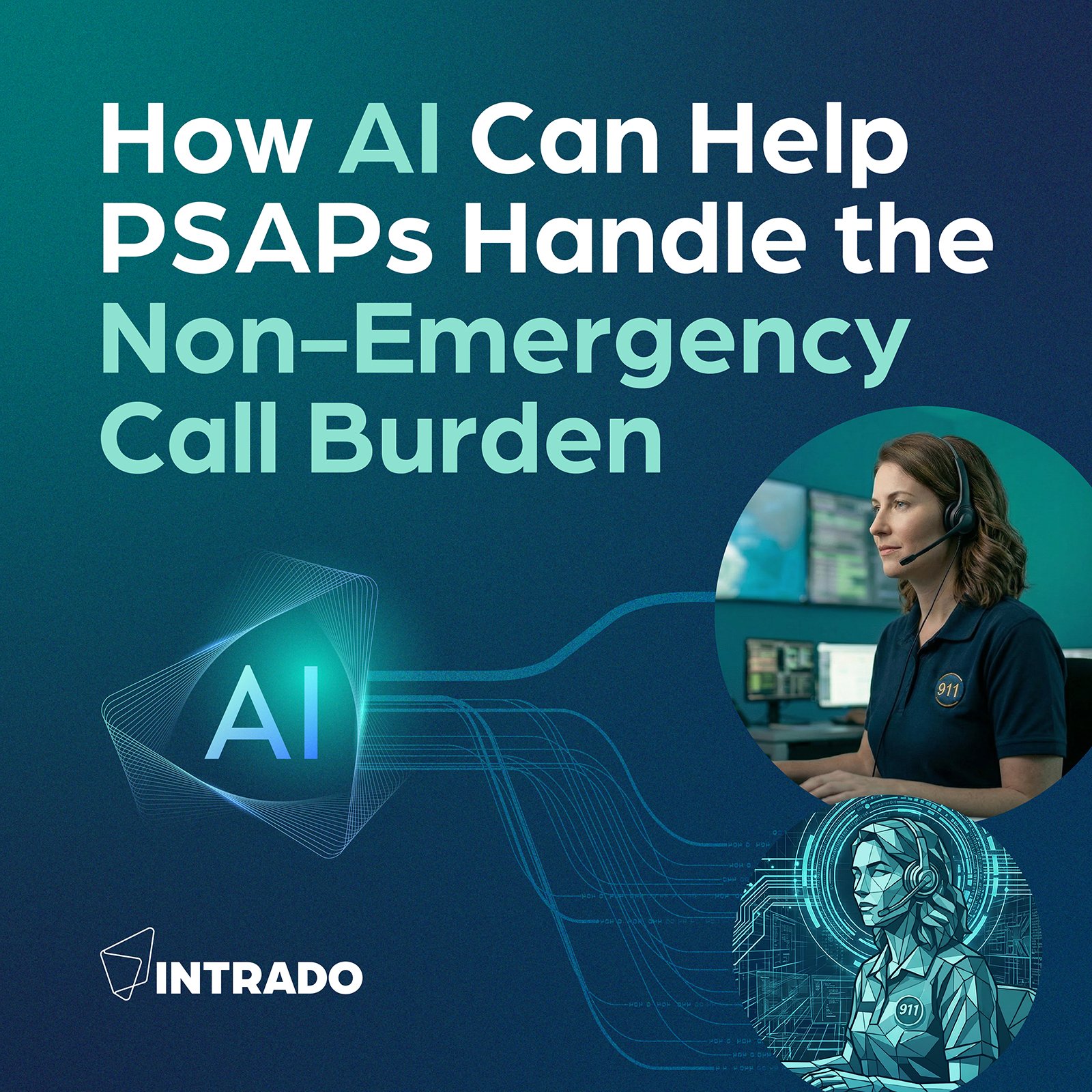
How AI Can Help PSAPs Handle the Non-Emergency Call Burden - SOCIAL

AI

Where AI is creating measurable operational value today, and where human judgment remains essential.
SOI_mockup_social3

Funding

How much modernization still costs, where funding exists, and what is slowing deployment.
Screenshot 2026-06-26 at 10.29.45 AM

Emerging Technology

How satellite communications, AACN, DFR programs, wearable devices, and cloud services are reshaping emergency response.
Download Now

Key Findings 

The Numbers Every 9-1-1 Leader Should Know

97%

of 9-1-1 professionals won't remain in the profession through retirement.
90%

of emergency communications centers experienced a system outage in the last year.

78%

of PSAPs are connected to an ESInet, but no agency has completed full NG9-1-1 Phase 2 implementation.

$5.8B–$9.27B

Estimated funding still required to complete nationwide NG9-1-1 modernization.